
Infertility affects many individuals and couples, but understanding the causes is the first step toward finding support
Infertility is usually defined as not becoming pregnant after regular unprotected intercourse over a period of time. For many people, this can be emotionally difficult and confusing, especially when there is no obvious reason why conception is not happening.
Understanding infertility means looking at both medical causes and treatment options, because fertility problems can affect women, men, or both partners.
Many causes are treatable, and support is available at different stages of the fertility journey.
What Is Infertility?
Infertility is usually diagnosed when pregnancy has not occurred after:
- 12 months of regular unprotected intercourse for most people
- 6 months for women over 35, depending on medical advice
Doctors may begin investigations earlier if there is a known fertility concern.
Infertility does not always mean pregnancy is impossible. It means conception may be taking longer than expected and medical assessment may help identify why.
Common Causes of Female Infertility
Female fertility problems can involve several medical factors.
Common causes include:
- ovulation disorders
- hormonal imbalance
- blocked fallopian tubes
- endometriosis
- age-related fertility decline
- Polycystic ovary syndrome
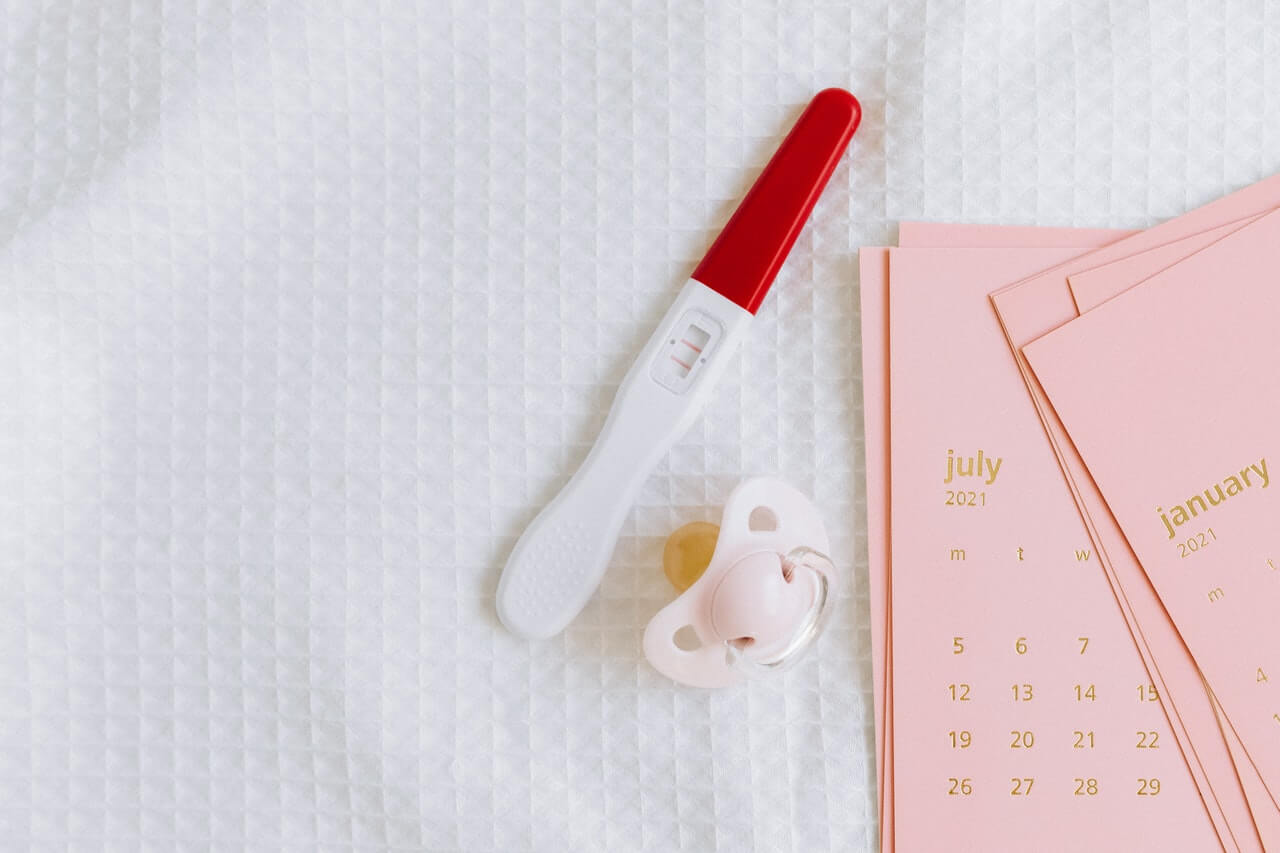
Ovulation problems are one of the most common reasons conception is delayed.
A full supporting article should expand this topic: What Causes Infertility in Women?
Common Causes of Male Infertility
Male fertility factors contribute to many infertility cases.
Common causes include:
- low sperm count
- reduced sperm motility
- abnormal sperm shape
- hormone imbalance
- previous infection
- lifestyle factors
Male fertility is often one of the first areas doctors investigate because testing is straightforward.
A supporting article should cover this in detail:
Male Fertility Problems: Causes, Tests and Treatment
When Should You Seek Fertility Advice?
It may be helpful to speak with a healthcare professional if:
- you have been trying to conceive for 12 months
- menstrual cycles are irregular
- there is known reproductive health history
- there has been previous miscarriage
- age is a factor
Early advice can sometimes reduce delays in diagnosis.
Fertility Tests Used to Investigate Infertility
Doctors may recommend tests for both partners.
Common fertility tests include:
- hormone blood tests
- ovarian reserve testing
- ultrasound scans
- semen analysis
- ovulation tracking
These tests help identify whether fertility treatment may be needed.
A full article should explain each test clearly:
Fertility Tests Explained
AMH Levels and Fertility
One important hormone often measured is anti-Müllerian hormone (AMH).
AMH helps indicate ovarian reserve.
It does not predict pregnancy directly, but it helps doctors understand likely response to fertility treatment.
A dedicated article should cover:
AMH Levels Explained
How Age Affects Fertility
Age can influence fertility for both women and men, although the effect is often more significant for women.
Fertility naturally changes over time, especially after 35.
This is why many people begin investigations sooner when age becomes a concern.
Treatment Options for Infertility
Treatment depends on the cause.
Options may include:
- ovulation medication
- surgery
- monitoring cycles
- intrauterine insemination (IUI)
- IVF treatment
The right treatment depends on medical assessment and fertility history.
When IVF Becomes Part of Treatment
IVF may be recommended when:
- fallopian tubes are blocked
- severe male factor infertility is present
- other treatments have not worked
- age-related fertility decline affects timing
Because IVF can be expensive, many people also need to explore funding options.
The Fertility Foundation supports eligible applicants seeking IVF grants and fertility support.
Emotional Impact of Infertility
Infertility affects more than physical health.
It often brings:
- stress
- uncertainty
- grief
- relationship pressure
Support is important throughout treatment and diagnosis.
This is a strong separate article:
Emotional Impact of Infertility
Frequently Asked Questions
Is infertility common?
Yes, fertility difficulties affect many people and can involve both female and male factors.
Does infertility always mean IVF is needed?
No, many causes can be treated without IVF.
Can infertility be unexplained?
Yes, sometimes no clear cause is identified after testing.
Can age affect fertility even with regular cycles?
Yes, regular cycles do not always mean fertility is unchanged.